
Best CNC Press Brake Factory Case Study: Real-World Manufacturing Optimization 2026
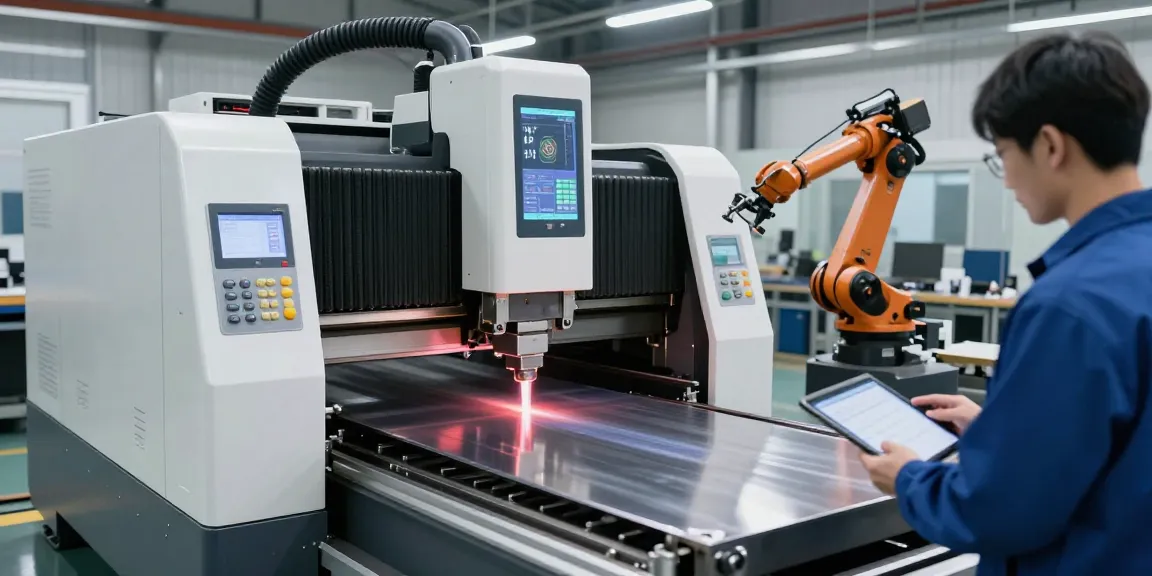
Introduction to CNC Press Brake Technology
CNC press brakes represent the culmination of precision engineering and automation in sheet metal fabrication. With roots tracing back to traditional bending machines, CNC press brakes have evolved significantly, incorporating computer numerical control (CNC) technology to enhance their operational capabilities. These advanced tools are integral to manufacturing processes that demand precision, consistency, and efficiency in bending operations. The WEK series from SC ShenChong stands out as a prime example of this evolution, combining high-performance hydraulics with sophisticated electronic controls. When exploring options, best cnc press brake factory provides comprehensive insights for businesses seeking optimal solutions in metal forming.
The Evolution of CNC Press Brakes
The journey of CNC press brakes began with simple, mechanical designs that required manual operation. As industries sought higher productivity and greater accuracy, automation became a priority. Today’s CNC press brakes are equipped with servo-driven systems and advanced controls, significantly improving their efficiency and precision. This evolution is marked by three key phases: the initial mechanical systems, the introduction of hydraulic features in the 20th century, and the integration of CNC technology in the late 20th and early 21st centuries.
Key Features of Modern CNC Machines
Modern CNC press brakes come with several advanced features that optimize their functionality. Key attributes include:
- Electro-hydraulic Control: This enhances responsiveness and precision by leveraging proportional valves that precisely control the bending process.
- CNC Controllers: Sophisticated CNC controllers like ESA S630 allow for advanced programming options and real-time adjustments, ensuring high accuracy and reducing cycle times.
- Robust Safety Features: Safety is paramount, with various features such as light curtains, rear door locks, and emergency stop mechanisms to protect operators during operation.
- Automation Compatibility: Modern models are designed to integrate with robotic systems, facilitating automated bending processes that improve productivity.
Industry Applications and Use Cases
CNC press brakes find wide applications across various industries, including:
- Aerospace: Manufacturing complex aircraft components with stringent precision requirements.
- Automotive: Providing essential parts and assembly structures for vehicle production.
- Manufacturing Machinery: Creating components for a wide range of industrial machines.
- Construction: Bending metal sheets for building frameworks and structural elements.
Advantages of Choosing the Best CNC Press Brake Factory
Quality Assurance and Manufacturing Excellence
When looking for a CNC press brake, selecting a reputable factory can make all the difference in quality and reliability. Leading manufacturers adhere to stringent quality control protocols that ensure durable and high-performance machines. Such certifications reflect a commitment to maintaining manufacturing excellence, which is crucial in high-stakes industries where precision is non-negotiable. The best CNC press brake factories leverage advanced manufacturing techniques to produce machines that meet the latest international standards.
Advanced Technology and Customization
Choosing a factory known for its innovative technology can significantly enhance the functionality of CNC press brakes. Customization options allow businesses to tailor machines according to specific operational needs, such as size, control systems, and automation features. This flexibility can provide a substantial competitive edge, allowing businesses to optimize workflows based on unique production requirements.
Efficient After-Sale Support and Service
After-sale support is a vital component of the manufacturing relationship. The top CNC press brake manufacturers provide ongoing technical support, training for staff, and part replacement services. Effective after-sale services ensure that any operational issues are quickly addressed, minimizing downtime and maintaining production efficiency.
Understanding Configurations of CNC Hydraulic Press Brakes
Analyzing Different Configuration Options
CNC hydraulic press brakes come with a variety of configurations that cater to different bending needs. The standard configuration often includes a 4+1 axis system with options to expand to 6+1 or 8+1 axes. This flexibility allows manufacturers to choose machines equipped to handle diverse materials and thicknesses efficiently.
Precision Requirements and Technology Standards
Precision in hydraulic press brakes is governed by several technology standards, including material flatness, angle consistency, and repeatability. Machines that offer closed-loop control systems ensure that the adjustments made during operation are continuously monitored and refined, improving overall accuracy.
Comparative Study of Model Capacities and Specifications
When evaluating different CNC press brake models, it is essential to consider their nominal pressure capacities, table lengths, and stroke dimensions. For instance, the WEK series provides a wide range of configurations with capacities ranging from 63 tons to 1000 tons. This variability allows customers to select models that perfectly align with their operational scale and performance expectations.
The Role of Automation in CNC Press Brake Efficiency
Integrating Robotics with CNC Systems
Automation through robotics transforms conventional bending operations into streamlined processes. Advanced CNC press brakes can seamlessly integrate with robots capable of loading and unloading materials, setting tools, and even executing complex bending operations. This synergy improves efficiency and reduces reliance on manual labor, minimizing errors associated with human intervention.
Benefits of Automated Bending Processes
Automated bending processes lead to enhanced productivity and consistent quality. Automatic adjustment features eliminate the need for extensive manual programming, allowing operators to run multiple jobs concurrently. Additionally, integrated error detection systems can alert operators to potential issues, ensuring that production remains uninterrupted.
Real-Time Monitoring and Error Detection Systems
Modern CNC press brakes are equipped with monitoring systems that allow for real-time analysis of the bending process. These systems can identify deviations from preset configurations and alert operators instantly, enabling corrective action before defects arise. Such monitoring capabilities not only enhance quality assurance but also optimize machine uptime.
Future Trends in CNC Press Brake Manufacturing
Automation and Smart Manufacturing Innovations
The future of CNC press brake manufacturing lies in the deployment of smart technologies. Predictive maintenance, powered by IoT sensors and data analytics, allows manufacturers to anticipate potential equipment failures before they occur, drastically reducing downtime. Advanced machine learning algorithms will enable CNC systems to optimize their own settings based on historical performance data.
Emerging Technologies in Metal Bending
Cutting-edge technologies like fiber lasers and additive manufacturing are making their way into metal bending processes. These technologies not only enhance the capabilities of CNC press brakes but also improve the precision and quality of the end products. As these technologies evolve, they will further redefine the possibilities in metal fabrication.
Sustainability and Energy Efficiency Considerations
There is a growing emphasis on sustainability within manufacturing cultures. CNC press brake manufacturers are increasingly adopting eco-friendly practices, such as energy-efficient servo motors and hydraulic systems that consume less power. This aligns with global trends toward reducing the carbon footprint of industrial operations while maintaining productivity and performance standards.
FAQs about CNC Press Brake Solutions
Why should I invest in CNC press brake technology?
Investing in CNC press brake technology provides significant advantages in terms of precision, efficiency, and overall production capability. These machines reduce the likelihood of production errors, enhance speed, and allow for better material utilization.
How do I choose the right CNC press brake model?
Choosing the right model involves assessing your specific production requirements, including the types of metals processed, material thickness, and the volume of production. Consulting with experts or manufacturers can provide tailoring options that align machines with your needs.
What kind of materials can CNC press brakes work with?
CNC press brakes are highly versatile and can work with a variety of materials, including steel, aluminum, copper, and titanium. Each material often requires specific configurations or adjustments to ensure optimal bending results.