Understanding the Basics of ai Image Editors
In an era where visual content reigns supreme, having the right tools to create stunning images is essential for both casual users and professionals. This is where an ai image editor comes into play. These innovative solutions leverage artificial intelligence to enhance, modify, and transform images with unprecedented ease and functionality. Whether you're a seasoned graphic designer or a novice exploring your creative potential, understanding the core functions and benefits of an AI image editor can significantly elevate your projects.
What is an ai image editor?
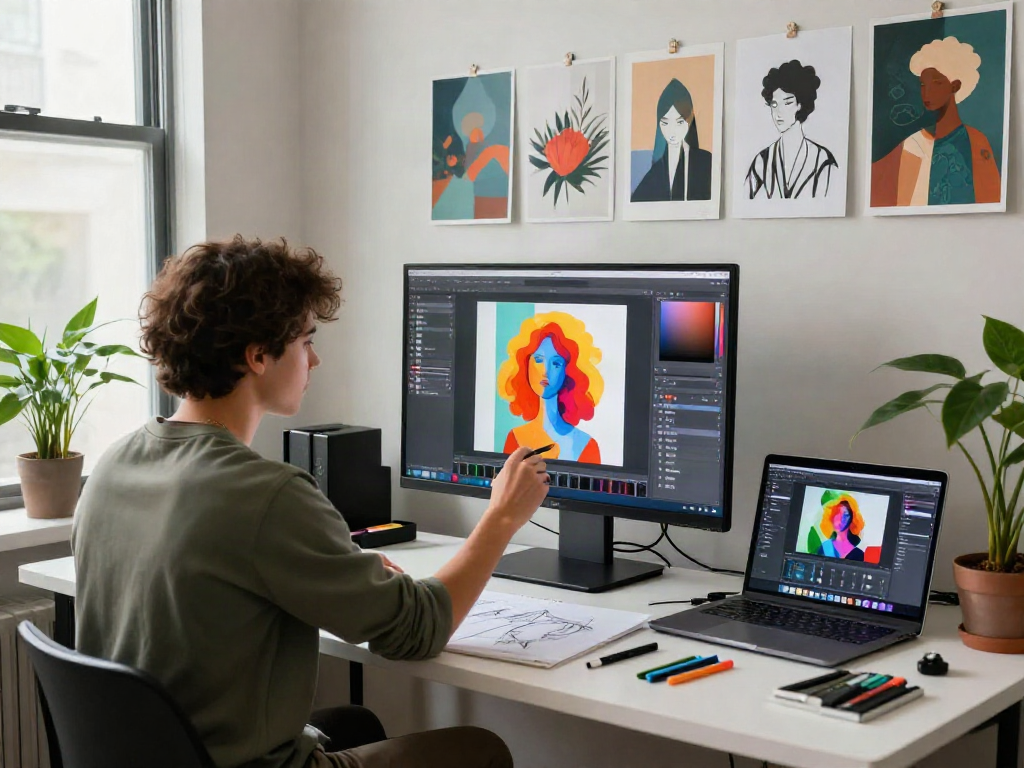
An ai image editor utilizes machine learning algorithms and artificial intelligence techniques to simplify the image editing process. Unlike traditional editing software, these tools can recognize objects, apply filters intelligently, and automate repetitive tasks. This enhances the editing experience by allowing users to focus more on their creative vision rather than spending hours on manual adjustments.
Key Features to Look For in an ai Image Editor
- Smart Selection Tools: AI-powered selection tools can automatically detect subjects in images, allowing for quick and easy adjustments.
- Automated Enhancements: Look for features that automatically enhance images by adjusting brightness, contrast, and saturation based on content analysis.
- Background Removal: Advanced ai editors can separate subjects from the background effortlessly, saving hours of manual labor.
- Pre-built Templates: Many editors offer templates for social media graphics, brochures, or presentations that can be customized with just a few clicks.
- Collaboration Tools: Features that facilitate teamwork, such as shared workspaces or comment threads, are invaluable for group projects.
Common Use Cases for ai Image Editors
From marketing campaigns to personal projects, ai image editors cater to various use cases:
- Social Media Content: Create eye-catching posts and stories optimized for different platforms.
- Product Photography: Enhance images for e-commerce to attract potential buyers.
- Graphic Design: Streamline workflows for creating logos, business cards, and promotional materials.
- Photography Editing: Edit photos quickly with pre-set filters and adjustments that maintain image quality.
Evaluating ai Image Editor Options
With numerous ai image editors available on the market, choosing the right one can be daunting. It's essential to evaluate each option based on functionality and user experience.
Comparing Features and Functionality
When comparing different ai image editors, consider the specific features that align with your needs. Some editors excel in providing professional-grade tools, while others are designed for simplicity and ease of use. Make a checklist of must-have features, such as:
- Filtering capabilities
- Batch processing options
- Customization settings
- Export formats available
User Experience: Importance of Interface Design
The interface and overall user experience are critical factors in determining the right ai image editor for you. A clean, intuitive design can significantly enhance your creative flow and reduce the learning curve. Look for interfaces that offer:
- Drag-and-Drop Functionality: Makes it easier to upload and manage images.
- Contextual Help: Tooltips or in-software tutorials can guide new users through complex features.
- Customizable Workspaces: Allowing you to arrange tools to fit your specific workflow.
Pricing Models: Free vs. Paid Solutions
Many ai image editors offer varying pricing structures, including free, subscription-based, or one-time purchase options. It’s crucial to assess what features are offered at each pricing tier. Free solutions often provide basic functionalities, while paid options may include premium features that enhance productivity and output quality. Consider your budget and needs when making a choice.
Benefits of Using ai Image Editors for Creative Projects
Integrating an ai image editor into your creative toolkit offers numerous advantages that can streamline your workflow and enhance your final outputs.
Enhancing Creativity with Automated Features
AI image editors often come equipped with clever features that inspire creativity. For instance, automated layering and blending can produce unique visual effects that may not be easily achievable through manual editing. This innovation allows users to experiment more freely with their projects, pushing the boundaries of traditional techniques.
Time-Saving Techniques with ai Image Editing Tools
Time is a precious resource in any creative endeavor. AI image editors help save time through features such as:
- Automated Object Removal: Quickly eliminate unwanted elements from images.
- One-click Enhancements: Instantly apply a series of adjustments with a single click.
- Batch Processing: Edit multiple images simultaneously, ideal for large projects.
Collaboration and Sharing Capabilities
Many contemporary projects require collaboration among teams. Many ai image editors offer functionalities that make sharing and feedback easier than conventional software. Cloud-based solutions allow team members to access projects from anywhere, facilitating real-time updates and communication.
Common Challenges in Using ai Image Editors
Despite their many advantages, using ai image editors is not without challenges. Addressing common issues can help maximize your effectiveness with these tools.
Understanding the Learning Curve
While ai image editors aim to simplify the editing process, there may still be a learning curve, especially for newcomers. Investing time in tutorials or online courses can significantly enhance understanding and proficiency with these tools.
Quality vs. Speed: Finding the Right Balance
One common trade-off when usingai image editors is quality versus speed. Automated features may not always yield the desired results. It's vital to review and adjust AI-generated edits to ensure they meet your quality standards, especially in professional work.
Addressing Privacy and Security Concerns
AI image editing often involves uploading images to cloud-based platforms, which can raise privacy concerns. Ensure that the tools you choose are compliant with data protection regulations and offer secure file handling processes.
Future Trends in ai Image Editing Technology
The landscape of ai image editing is continuously evolving. Staying updated on trends will help both amateurs and professionals adapt to the changing market.
Predicted Developments for 2026
By 2026, we can expect significant advancements in ai image editing technology. Innovations such as augmented reality integrations, real-time collaboration features, and enhanced AI-driven suggestions will likely become commonplace, facilitating even more seamless workflows.
The Role of AI in Creative Industries
AI's influence on creative industries will continue to grow, enabling professionals to focus more on conceptual development while allowing technology to handle routine tasks. This shift will empower artists and marketers to generate more impactful content without being bogged down by the intricacies of manual editing.
Emerging Tools and Innovations to Watch
Keep an eye on emerging tools that harness the power of machine learning and AI. Innovations such as voice-activated editing commands and personalized editing interfaces are set to revolutionize how we approach image creation and modification.
What are the best ai image editors for beginners?
For beginners, consider exploring user-friendly options like Canva or Fotor, which provide straightforward interfaces and essential editing capabilities. These tools often come with pre-set templates and automated enhancements that make the learning process enjoyable and accessible.
How can I improve my skills using ai image editors?
To enhance your skills, engage in online tutorials, join forums, or enroll in courses specific to ai image editing. Regular practice, coupled with experimentation, will lead to greater confidence and proficiency over time.
What are the key differences between traditional and ai image editing?
The main difference lies in how tasks are executed. Traditional image editing requires manual adjustments and skills, while ai image editing automates many tasks, relying on algorithms to analyze and enhance images. This shift allows for faster processes and often produces more consistent results.
Can ai image editors be used for professional work?
Absolutely. Many professionals utilize ai image editors for tasks ranging from social media content creation to advertising graphics. The key is to choose a tool that aligns with industry standards and offers the necessary functionalities for high-quality outputs.
Are there free options for ai image editors?
Yes, several ai image editors offer free versions with limited features. Tools like Pixlr and GIMP provide essential editing capabilities without the need for a subscription. However, users looking for advanced features may consider investing in premium versions.